
Engage Your Audience with Three Types of Questions

Questions are much more engaging than statements. Use questions throughout your presentation to keep your audience interested. Sprinkle these three types of questions within your presentation to make it feel more like a conversation instead of a lecture. Use all three types of questions and you’ll keep your audience actively engaged during your presentation.
Why Should You Use the Chat in Zoom

The chat encourages people to think. What could be a higher form of engagement than that? The chat offers you as the meeting leader or presenter benefits that you can’t enjoy in a live presentation. You will tend to get a higher percentage of your audience actively contributing because there are those who prefer not to speak up but find it easier to write a short chat. It feels safer to chat then to speak.
Why So Serious? Are you cold to your audience?

Heath Ledger, as the Joker, delivered that line in the Batman movie, The Dark Knight. The Joker delivered that line as he explained the permanent smile on his face. Why so serious?
Intended vs Unintended Messages: What did you mean?
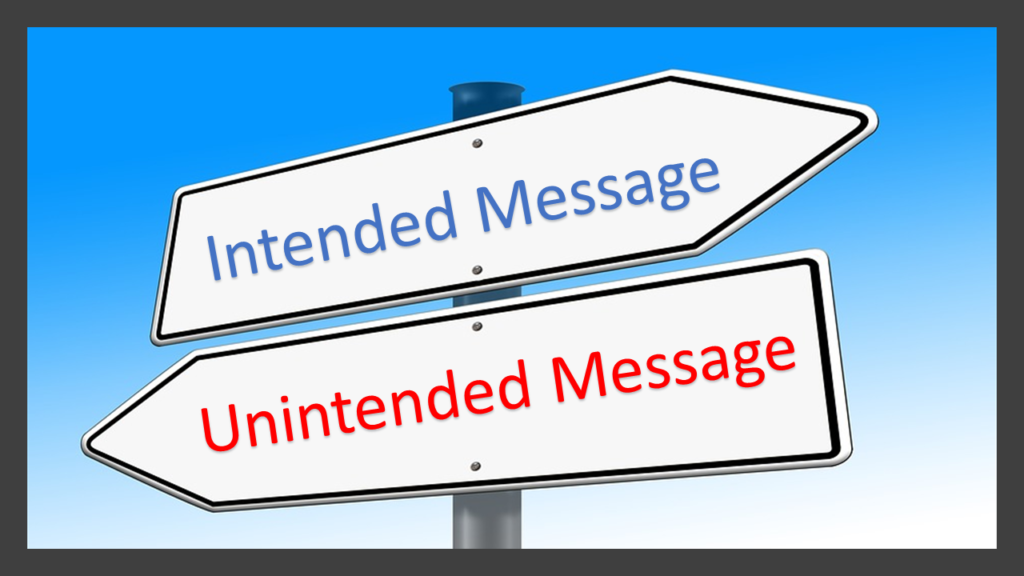
You control the message you send, and you can make it more successful when you understand the filters and adapt your message to successfully pass through the filters unchanged.
These are the challenges you face with your intended message.
Use Rhetorical Questions in Your Presentation
Use rhetorical questions during your presentation to better engage your audience. This technique is simple and powerful. It’s surprising that more speakers don’t make better use of this technique.
This works especially well, when delivering detailed technical information. That means this is an effective technique for engineers, scientists, economists, IT experts, and other technical specialists.
Three Tips to Begin Your Presentation with More Confidence

Those opening moments of your presentation are critical to establish your credibility and confidence with the audience. Don’t waste that time trying to work up your confidence. Instead, start with confidence and convey that with your first words. You owe that to your audience before you can expect them to listen to your presentation.
How Can Toastmasters Help your Public Speaking Skills?
Toastmasters can help you improve your presentation skills. Toastmasters has helped hundreds of thousands of people around the world improve their presentation, public speaking, and communication skills.
How to Tell Stories in Your Presentation
Telling stories in y
our presentation
The best speakers are storytellers. Tell stories to engage your listeners and make your point. Stories can help build trust with your listeners. If the story is funny – that is a bonus. Don’t tell a story just because you find it funny. That does not serve your purpose.
How to Find Your Stories

How and where can you find stories to support your messages?
These stories are not the ones you tell to entertain your friends. These are stories to help you reinforce a point.
Tell your stories in conversations, meetings and presentations to be more effective in conveying your messages. You might wonder, “Where can I find my stories?”
The short answer is “All around you.”
Put the Audience in Your Story

Fully engage your audience with your stories by putting them in the story. Help them see and feel the circumstances personally.
Imagine how your audience feels when they experience your story as opposed to simply hearing it.